
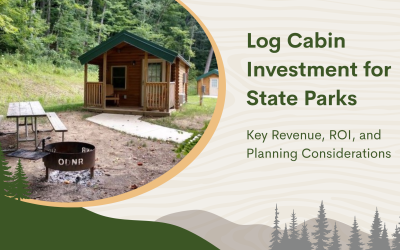
Investing in state park log cabins can be a lucrative and rewarding venture. Whether aiming to enhance visitor experience, generate additional revenue, or preserve the natural beauty of the area, state park log cabins can be a strategic asset. However, this investment requires careful planning and consideration. Here’s a comprehensive guide to help state park owners navigate the key aspects of log cabin investment.
Understanding the Market Demand
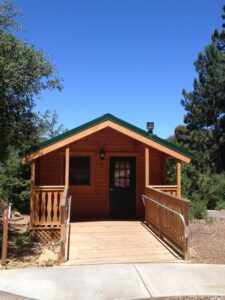
Before embarking on this investment, it’s crucial to understand the demand for log cabin accommodations. State parks attract visitors seeking a blend of adventure and comfort, making rustic yet modern log cabins appealing. Conduct market research to identify visitor preferences, peak seasons, and competitive offerings in nearby parks. This will help tailor your state park log cabins meet the specific needs and expectations of your target audience.
Site Selection and Environmental Impact
Choosing the right location for your state park log cabins is critical. The site should offer scenic views, easy access to park amenities, and a sense of seclusion to enhance the guest experience. Additionally, it’s essential to assess the environmental impact of the construction. Collaborate with environmental experts to ensure the chosen site preserves the natural habitat and adheres to sustainability practices. Using eco-friendly building materials and methods can minimize the ecological footprint.
Design and Amenities
The design of the state park log cabins should balance rustic charm with modern comforts. Features such as energy-efficient heating and cooling systems, solar panels, and water-saving fixtures can make the cabins more sustainable and appealing to eco-conscious visitors. Consider offering various cabin sizes and layouts to accommodate different group sizes, from solo travelers to families. Incorporate amenities that enhance the guest experience, such as fully equipped kitchens, comfortable bedding, Wi-Fi, and outdoor fire pits or hot tubs. Accessibility features, like ramps and grab bars, should also be included to ensure inclusivity.
Regulatory Compliance and Permits
Navigating the regulatory landscape is a crucial step in the investment process. Ensure compliance with local, state, and federal regulations regarding construction, zoning, and environmental protection. Obtain all necessary permits and undergo required inspections to avoid legal complications. Collaborating with legal experts and local authorities can streamline this process and ensure adherence to all regulations for your state park log cabins.
Budgeting and Financing
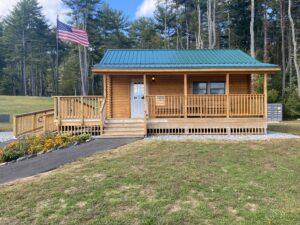
A comprehensive budget plan is essential for a successful investment in state park log cabins. Consider costs such as land preparation, construction, furnishings, utilities, maintenance, and marketing. Explore various financing options, including grants, loans, and partnerships with private investors or non-profit organizations. Accurate budgeting using a landlord software will help prevent cost overruns and ensure the project’s financial viability.
Marketing and Promotion
Effective marketing strategies are vital to attract visitors to your state park log cabins. Leverage digital platforms such as social media, search engine optimization (SEO), and online booking sites to reach a wider audience. Highlight the unique features of the cabins and the natural beauty of the state park in your promotional materials. Collaborate with travel bloggers, influencers, and local tourism boards to boost visibility and attract more guests. Offering special packages, discounts, and events can also drive bookings. For instance, creating packages that include guided hikes, wildfire tours, or adventure activities can enhance the overall visitor experience and encourage longer stays.
Maintenance and Upkeep
Regular maintenance is essential to preserve the quality and appeal of the state park log cabins. Develop a maintenance schedule that includes routine inspections, cleaning, and repairs. Use durable and easy-to-maintain materials to reduce long-term upkeep costs. Additionally, having a responsive management team to address guest concerns and feedback can improve customer satisfaction and foster repeat visits.
Check the Roof
Ensuring that each cabin’s roof is in sound condition is crucial for both the safety and comfort of guests, as well as the long-term sustainability of the investment. “Regular inspections and maintenance conducted by professional roofing experts can prevent minor issues from becoming major problems. Roofing specialists can offer advice on the best materials and maintenance practices for each specific environment within the state park, thereby optimizing the lifespan and effectiveness of the roofing systems,” – San Antonio roofing experts, Presidio Roofing.
Enhancing Guest Experience
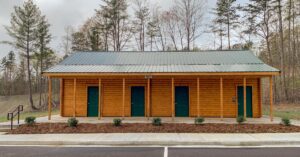
The guest experience is paramount in ensuring the success of your log cabin investment. Provide excellent customer service from the booking process to check-out. Offer personalized touches, such as welcome kits with local products or guides to park activities, to make guests feel valued. Encourage guests to share their experiences through reviews and social media posts. Positive reviews and word-of-mouth recommendations are powerful tools for attracting new visitors. Leaving guests with a unique and memorable experience is the best form of marketing there is. For example, SD House Guys, a property owner based in San Diego, explained, “The short-term vacation rental game is much harder than it used to be for property owners. The way to sustain growth over long periods of time is to offer more than just a place to stay, but an experience. Log cabins surrounded by beautiful nature are a great start toward that. The more you can make your place seem like one of a kind, the more sustained booking you’ll get.”
Long-Term Sustainability
Sustainability should be a core consideration in the investment. Implementing green practices, such as waste reduction, recycling programs, and sustainable landscaping, can attract environmentally conscious visitors and reduce operational costs. Educating guests about the park’s conservation efforts and encouraging them to participate in eco-friendly practices can enhance their connection to the park and its natural surroundings.
Cherished Features Of A State Park
Investing in state park log cabins is a strategic move that can enhance visitor experiences, generate revenue, and promote environmental sustainability. By understanding market demand, carefully selecting sites, complying with regulations, planning budgets, and prioritizing guest satisfaction and sustainability, state park owners can make informed decisions that lead to a successful and rewarding investment. With thoughtful planning and execution, state park log cabins can become a cherished feature of the state park, providing memorable experiences for visitors while preserving the natural beauty of the area.